

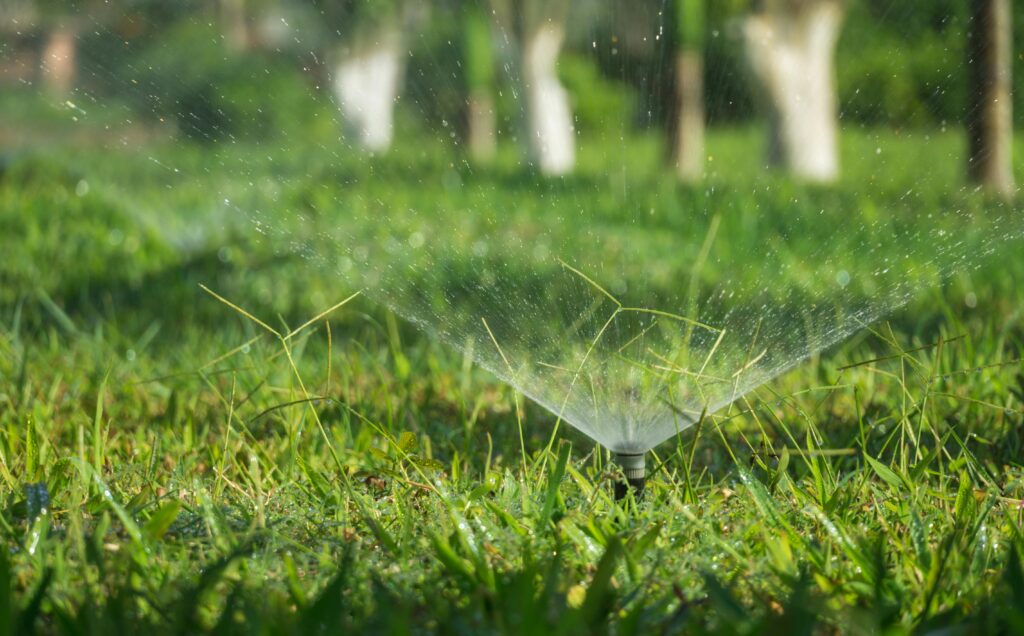
A lush, thriving landscape feels almost impossible to maintain under the intense Utah sun. You watch your water bills climb each summer, yet your plants still struggle with dry, cracked soil and brown edges. Conventional sprinklers spray water everywhere, feeding weeds and losing up to 50% to wind and evaporation before it ever reaches the roots. It’s a frustrating, expensive cycle that wastes a precious resource. This is why professionally installed drip irrigation is no longer a luxury, but a necessity for a stunning Utah landscape. Delivering water directly to the base of each plant transforms your yard from a constant battle into a healthy, water-wise ecosystem. It is the single most effective upgrade for ensuring your landscape investment thrives.
Quick Answer
Drip irrigation is superior for Utah landscapes because it delivers water directly to plant roots, cutting water use by 30-70% compared to traditional sprinklers. This targeted approach prevents runoff on Utah’s common clay soils, reduces weed growth, and promotes deeper, healthier root systems, resulting in more resilient and vibrant plants that can withstand the state’s dry, hot summers.
Table of Contents
Why Traditional Sprinklers Fail in Utah's Climate
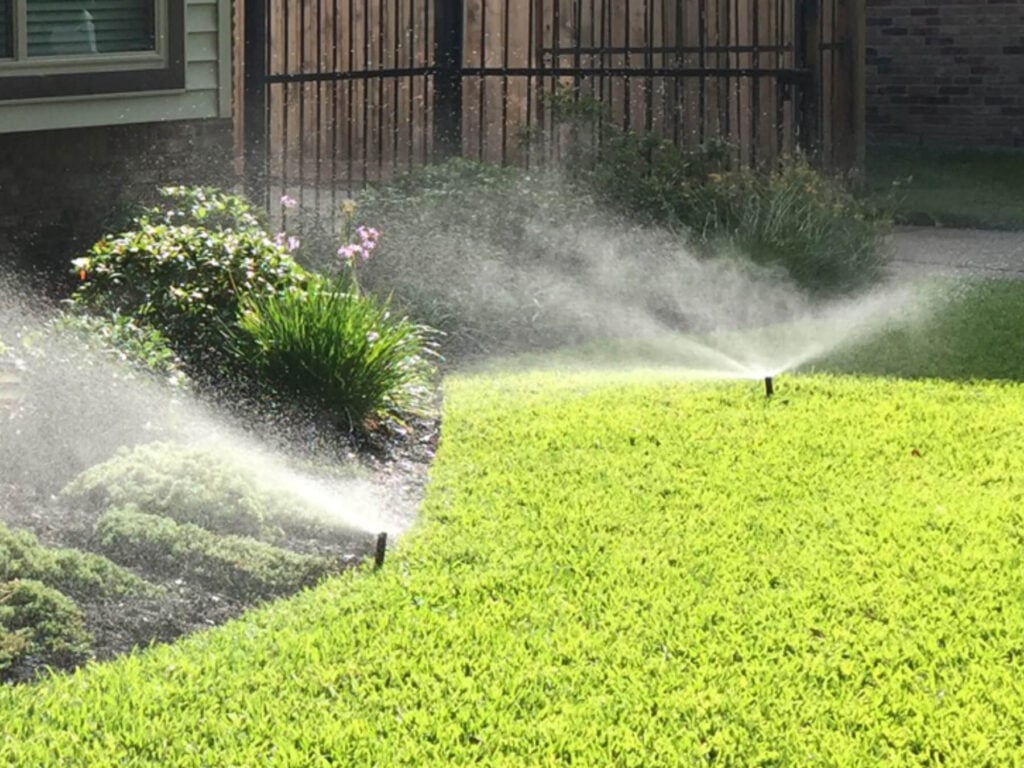
Traditional spray sprinkler systems are fundamentally mismatched for Utah’s environment. They broadcast water high into the air, where the dry climate and relentless sun cause significant evaporation before it even hits the ground. What little water does land often strikes our region’s dense, clay-based soil too quickly, leading to immediate runoff instead of deep absorption. You end up paying to water your driveway, sidewalks, and a thriving population of weeds between your prized plants.
This inefficiency is amplified by common watering restrictions across Salt Lake County. When you can only water on specific days, a system that loses half its output to the environment simply can’t deliver what your plants need. The result is shallow root growth, heat-stressed flora, and wasted money. A professionally designed system is the only way to ensure every drop is used effectively.
Ready to stop wasting water and start seeing results? Explore our smart irrigation solutions.
How Drip Irrigation Works: A Targeted Solution
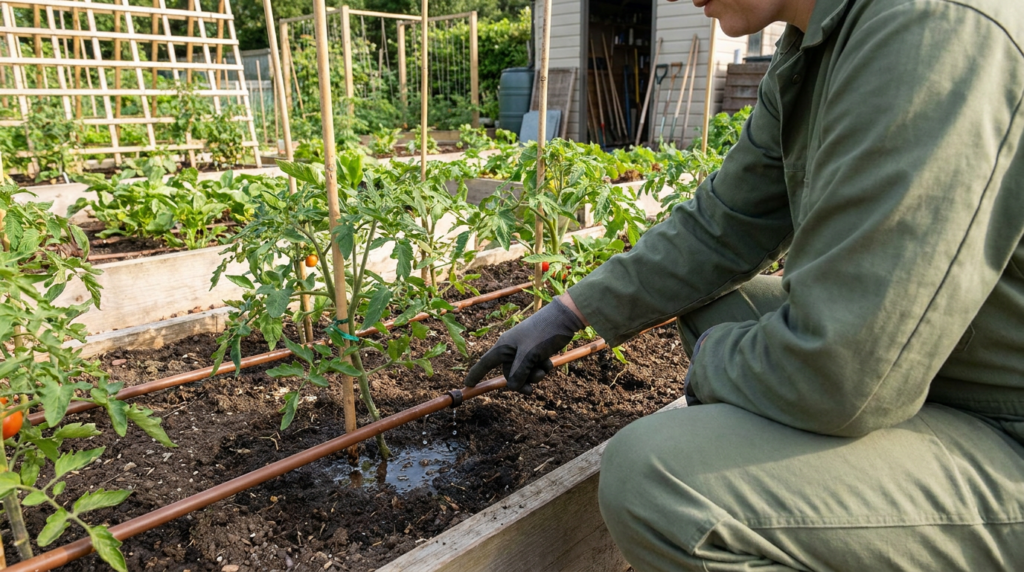
Drip irrigation solves the waste of traditional systems with one simple principle: precision. Instead of spraying water into the air, a network of durable tubing delivers water at a slow, controlled rate directly to the soil at the base of each plant. Emitters, small nozzles spaced along the tubes, are selected and positioned to meet the needs of each plant, from thirsty shrubs to drought-tolerant perennials.
This slow application allows water to soak deep into the soil profile, encouraging roots to grow downward where they’re protected from surface heat. This creates a more resilient and self-sufficient plant. Because the water is applied only where it’s needed, the areas between plants stay dry, drastically reducing weed germination and growth. It’s a fundamental shift from “spraying a yard” to “watering individual plants.”
Pro Tip: We often design systems with multiple zones using different emitter flow rates. A zone for your vegetable garden might have higher-flow emitters than the zone for your established, drought-tolerant ornamental grasses, ensuring every part of your landscape gets exactly what it needs.
The Tangible Benefits for Your Salt Lake County Landscape
Switching to drip irrigation provides immediate, measurable improvements for your property. Beyond the obvious water savings, it creates a healthier, more beautiful, and lower-maintenance landscape. Homeowners consistently see a dramatic difference in plant vitality and a reduction in tedious yard work.
Drastically Reduced Water Consumption
Drip systems are 90-95% efficient, compared to 50-70% for typical spray heads. For the average Salt Lake City homeowner, this translates to using 30-70% less water for the same landscape. The savings come from eliminating wind-driven overspray and surface runoff. By applying water directly to the root zone, you nourish your plants without watering surrounding weeds or pavement.
Healthier, More Resilient Plants
Targeted watering promotes deep root growth, creating stronger plants that are better equipped to handle Utah’s summer heat and occasional dry spells. It also keeps foliage dry, which significantly reduces the risk of common fungal diseases, such as powdery mildew, that thrive in damp conditions. You’ll notice more vibrant blooms, more reliable growth, and fewer stressed-out plants.
Significant Weed and Pest Reduction
A major problem with spray irrigation is that it waters everything, creating ideal germination conditions for weed seeds throughout your garden bed. Drip irrigation keeps the soil surface between plants dry, suppressing weed growth by up to 90%. This means you spend far less time on your knees pulling weeds and can reduce or eliminate the need for chemical herbicides.
See the results for yourself. Browse our gallery of stunning, healthy landscapes.
Designing for Success: Hydrozones and Customization
A truly effective drip system isn’t a one-size-fits-all kit from a big-box store. For luxury residential properties, superior results come from a custom design rooted in horticultural science. The most critical concept we use is “hydrozoning.” This involves grouping plants with similar water needs together and putting them on the same irrigation valve. Your sun-loving, drought-tolerant ornamental grasses shouldn’t get the same amount of water as your shade-loving hydrangeas.
Our process begins with a full analysis of your property, identifying microclimates, soil types, and your specific plant list. We use this information to create a detailed custom landscape design that maps out each hydrozone. This allows us to install a system that is perfectly calibrated to your yard, ensuring efficiency and plant health. This level of detail is impossible with a DIY approach and is what separates a mediocre landscape from a stunning one.
This custom 3D design process, valued at $2,500, allows you to see exactly how your entire yard will be transformed. For homeowners committing to a full landscape installation, we provide this comprehensive design service complimentary. It guarantees the final result matches your vision perfectly.
Visualize your water-wise landscape before work begins. Ask about our free 3D design offer with your full project.
Common Drip Irrigation Questions & Expert Answers
While drip irrigation is highly effective, homeowners often have questions about its practical application and maintenance. Addressing these concerns head-on is key to understanding its long-term value.
What's the 30-30 rule for drip irrigation?
The “30-30 rule” is a simplified guideline, not a universal law. It suggests that if your system uses emitters rated at 1 gallon per hour, you should run it for 30 minutes, and the water will penetrate roughly 30 centimeters (or 1 foot) deep into typical soil. However, Utah’s clay-heavy soil changes this equation significantly. We find that a “low and slow” approach is far more effective here. A longer, less frequent watering cycle allows the dense soil time to absorb the moisture, preventing runoff and encouraging deeper root growth.
What's a major problem with drip irrigation?
The single biggest problem with drip irrigation is clogging, usually caused by mineral deposits from Utah’s hard water or debris entering the lines. However, this is almost entirely preventable with professional installation. We install high-quality filters at the system’s start and recommend systems with self-flushing emitters. Regular, minimal maintenance, such as cleaning the filter once or twice a season, ensures decades of reliable performance. This beats dealing with broken sprinkler heads every spring.
How do you winterize a drip system?
Winterizing a drip system is essential for protecting it from freeze damage and is often simpler than with traditional sprinklers. The process involves shutting off the water supply, draining the main lines, and using compressed air to blow out any remaining water from the smaller distribution tubing. While it’s a manageable task, having it done professionally ensures no water is left behind, which could crack fittings or emitters over the winter.
AJA Landscaping: Your Partner for Water-Wise Transformations
At AJA Landscaping, we don’t just install irrigation systems; we design full, water-wise solutions for luxury residential properties. Our expertise, recognized by organizations like the American Society of Landscape Architects (ASLA), is built on years of experience transforming yards across the Wasatch Front. We understand the unique challenges of this region, from its alkaline soils to its limited water resources.
Our clients, like one who needed a full overhaul for their new construction project, praise our ability to manage the entire process professionally and efficiently. We handle everything from the initial 3D design to the final installation, ensuring every element of your landscape works in harmony. A sophisticated drip irrigation system is a core component of the stunning, sustainable landscapes we create.
The Bottom Line
Utah’s Climate Demands It: Traditional sprinklers are wasteful and ineffective in our dry air and with our clay soils. Drip irrigation is the responsible, effective alternative.
It’s More Than Water Savings: Drip systems create healthier, more resilient plants with deeper roots and less disease, all while drastically reducing weed growth.
Professional Design is Key: Concepts such as hydrozoning are critical to performance. A custom design from an expert team will always outperform a DIY kit.
It’s a Smart Investment: The upfront cost is quickly offset by lower water bills and the longevity of a healthy, beautiful landscape. Protect your plant investment.
Ultimately, choosing drip irrigation means working smarter, not harder, for a landscape you can be proud of.
The Investment: What Does Professional Drip Irrigation Cost?
A professionally installed drip irrigation system using high-quality, commercial-grade components should last 15 to 20 years or more. The key factors are using UV-resistant tubing and performing minimal annual maintenance, like cleaning the filter and properly winterizing the system, to prevent clogs and freeze damage.
Think of it as an investment, not an expense. The cost includes a custom design, premium commercial-grade components (tubing, filters, pressure regulators, emitters), and expert labor from our licensed and insured team. This isn’t the thin, brittle tubing found in DIY kits. We use materials designed to withstand Utah’s intense UV exposure and temperature swings for years. The water savings alone often provide a return on investment within just a few seasons. Plus, you’ll be protecting the significant investment you’ve made in your plants.
For clients who choose AJA Landscaping for a full landscape construction and installation, we integrate the irrigation design seamlessly into the overall plan. You also receive a complimentary 3D landscape design, a $2,500 value, to visualize the entire project.
Let’s design a system that pays for itself. Get a detailed, transparent quote for your property.
Frequently Asked Questions
Can you convert an existing sprinkler system to drip?
Yes, absolutely. In many cases, we can retrofit existing sprinkler zones to function as drip zones. We can cap off unnecessary sprinkler heads and install a pressure regulator and filter to connect the new drip tubing to your existing valve and water line. This can be a cost-effective way to upgrade specific areas, such as garden beds or shrub borders.
Is drip irrigation good for lawns?
The single biggest problem with drip irrigation is clogging, usually caused by mineral deposits from Utah’s hard water or debris entering the lines. However, this is almost entirely preventable with professional installation. We install high-quality filters at the system’s start and recommend systems with self-flushing emitters. Regular, minimal maintenance, such as cleaning the filter once or twice a season, ensures decades of reliable performance. This beats dealing with broken sprinkler heads every spring.
How long do drip systems last?
Winterizing a drip system is essential for protecting it from freeze damage and is often simpler than with traditional sprinklers. The process involves shutting off the water supply, draining the main lines, and using compressed air to blow out any remaining water from the smaller distribution tubing. While it’s a manageable task, having it done professionally ensures no water is left behind, which could crack fittings or emitters over the winter.
Does drip irrigation work well with Utah's clay soil?
Drip irrigation is exceptionally well-suited for clay soil. Clay absorbs water very slowly, and the high output of sprinklers leads to pooling and runoff. The slow, steady application from drip emitters allows the dense soil time to absorb the moisture, encouraging deep saturation rather than wasted water running off the surface.
How does a drip system affect xeriscaping?
Drip irrigation is the preferred watering method for xeriscapes and water-wise plantings. It allows you to deliver the precise, infrequent, deep soakings that drought-tolerant plants thrive on. It prevents overwatering, which can be just as harmful as underwatering for native and adapted species.
Elevate Your Outdoors with a Smarter System
Your landscape is a significant investment. Give it the intelligent watering solution it needs to flourish in Utah’s demanding climate. Stop fighting a losing battle with inefficient sprinklers and start enjoying a healthier, more beautiful yard with less work and less waste.
The team at AJA Landscaping has the expertise to design and install a custom drip irrigation system that will transform your outdoor space. Let us show you how a water-wise approach can yield stunning results.
Ready to see the difference? Contact AJA Landscaping today for your complimentary, no-obligation project quote.
Recent Posts
- Find the Best Landscape Design Services in West Jordan, Utah
- Why Customer Feedback Matters to this business: Our Commitment to Service Excellence
- AJA Landscaping Reviews: What Our Customers Really Say
- Answering Your Questions About AJA Landscaping: Common Concerns & How We Address Them
- Transform Your Yard: The Value of Full Landscape Renovation
Categories
- Why Traditional Sprinklers Fail in Utah’s Climate
- How Drip Irrigation Works: A Targeted Solution
- The Tangible Benefits for Your Salt Lake County Landscape
- Designing for Success: Hydrozones and Customization
- Common Drip Irrigation Questions & Expert Answers
- AJA Landscaping: Your Partner for Water-Wise Transformations